
Subscribe to our mailing list. We'll send something special as a thank you.
Germany, officially the Federal Republic of Germany (FRG), is a country in Central Europe. It lies between the Baltic and North Sea to the north and the Alps to the south. Its 16 constituent states have a total population of over 84 million in an area of 357,569 km2 (138,058 sq mi), making it the most populous member state of the European Union. It borders Denmark to the north, Poland and Czechia to the east, Austria and Switzerland to the south, and France, Luxembourg, Belgium, and the Netherlands to the west. The nation's capital and most populous city is Berlin and its main financial centre is Frankfurt; the largest urban area is the Ruhr.
Settlement in what is now Germany began in the Lower Paleolithic, with various tribes inhabiting it from the Neolithic onward, chiefly the Celts. Various Germanic tribes have inhabited the northern parts of modern Germany since classical antiquity. A region named Germania was documented before AD 100. In 962, the Kingdom of Germany formed the bulk of the Holy Roman Empire. During the 16th century, northern German regions became the centre of the Protestant Reformation. Following the Napoleonic Wars and the dissolution of the Holy Roman Empire in 1806, the German Confederation was formed in 1815.
Formal unification of Germany into the modern nation-state commenced on 18 August 1866 with the North German Confederation Treaty establishing the Prussia-led North German Confederation later transformed in 1871 into the German Empire. After World War I and the German Revolution of 1918-1919, the Empire was in turn transformed into the Weimar Republic. The Nazi seizure of power in 1933 led to the establishment of a totalitarian dictatorship, World War II, and the Holocaust. After the end of World War II in Europe and a period of Allied occupation, in 1949, Germany as a whole was organized into two separate polities with limited sovereignty: the Federal Republic of Germany, generally known as West Germany, and the German Democratic Republic, known as East Germany, while Berlin continued its de jure Four Power status. The Federal Republic of Germany was a founding member of the European Economic Community and the European Union, while the German Democratic Republic was a communist Eastern Bloc state and member of the Warsaw Pact. After the fall of the communist led-government in East Germany, German reunification saw the former East German states join the Federal Republic of Germany on 3 October 1990.
Germany has been described as a great power with a strong economy. It has the largest economy in Europe. As a global power in industrial, scientific and technological sectors, it is both the world's third-largest exporter and importer. As a developed country it offers social security, a universal health care system, and tuition-free university education. Germany is a member of the United Nations, Council of Europe, NATO and OECD, and a founding member of the European Union, G7 and G20. It has the third-greatest number of UNESCO World Heritage Sites (54), with the second-most cultural sites (51).
- by wikipedia

Bratwurst is a type of German sausage made from pork or, less commonly, beef or veal. The name is derived from the Old High German Brätwurst, from brät-, finely chopped meat, and Wurst, sausage, although in modern German it is often associated with the verb braten, to pan fry or roast. Beef and veal are usually incorporated amongst a blend often including pork. Beef or veal is usual in halal and kosher Bratwurst sausages, which never include pork for religious reasons.

A pretzel is a type of baked pastry made from dough that is commonly shaped into a knot. The traditional pretzel shape is a distinctive symmetrical form, with the ends of a long strip of dough intertwined and then twisted back onto itself in a particular way (a pretzel loop or pretzel bow). Today, pretzels come in various shapes, textures, and colors, but the original soft pretzel is still one of the most common pretzel types to date.

Beer is a major part of German culture. Only water, hops, yeast and malt are permitted as ingredients in its production. Beers not exclusively using barley-malt, such as wheat beer, must be top-fermented. In 2020, Germany ranked third in Europe in terms of per-capita beer consumption, trailing behind the Czech Republic and Austria. The traditional serving of beer, known as a Kranz (wreath), is typically carried by a server ("Köbes") and contains traditional Stange glasses and, in the center, larger modern glasses.
Germany is a federal, parliamentary, representative democratic republic. Federal legislative power is vested in the parliament consisting of the Bundestag (Federal Diet) and Bundesrat (Federal Council), which together form the legislative body. The Bundestag is elected through direct elections using the mixed-member proportional representation system. The members of the Bundesrat represent and are appointed by the governments of the sixteen federated states. The German political system operates under a framework laid out in the 1949 constitution known as the Grundgesetz (Basic Law). Amendments generally require a two-thirds majority of both the Bundestag and the Bundesrat; the fundamental principles of the constitution, as expressed in the articles guaranteeing human dignity, the separation of powers, the federal structure, and the rule of law, are valid in perpetuity.
The president, currently Frank-Walter Steinmeier, is the head of state and invested primarily with representative responsibilities and powers. He is elected by the Bundesversammlung (federal convention), an institution consisting of the members of the Bundestag and an equal number of state delegates.
The second-highest official in the German order of precedence is the Bundestagspräsident (President of the Bundestag), who is elected by the Bundestag and responsible for overseeing the daily sessions of the body. The third-highest official and the head of government is the chancellor, who is appointed by the Bundespräsident after being elected by the party or coalition with the most seats in the Bundestag. The chancellor, currently Olaf Scholz, is the head of government and exercises executive power through his Cabinet. Since 1949, the party system has been dominated by the Christian Democratic Union and the Social Democratic Party of Germany. So far every chancellor has been a member of one of these parties. However, the smaller liberal Free Democratic Party and the Alliance 90/The Greens have also been junior partners in coalition governments. Since 2007, the democratic socialist party The Left has been a staple in the German Bundestag, though they have never been part of the federal government. In the 2017 German federal election, the right-wing populist Alternative for Germany gained enough votes to attain representation in the parliament for the first time.
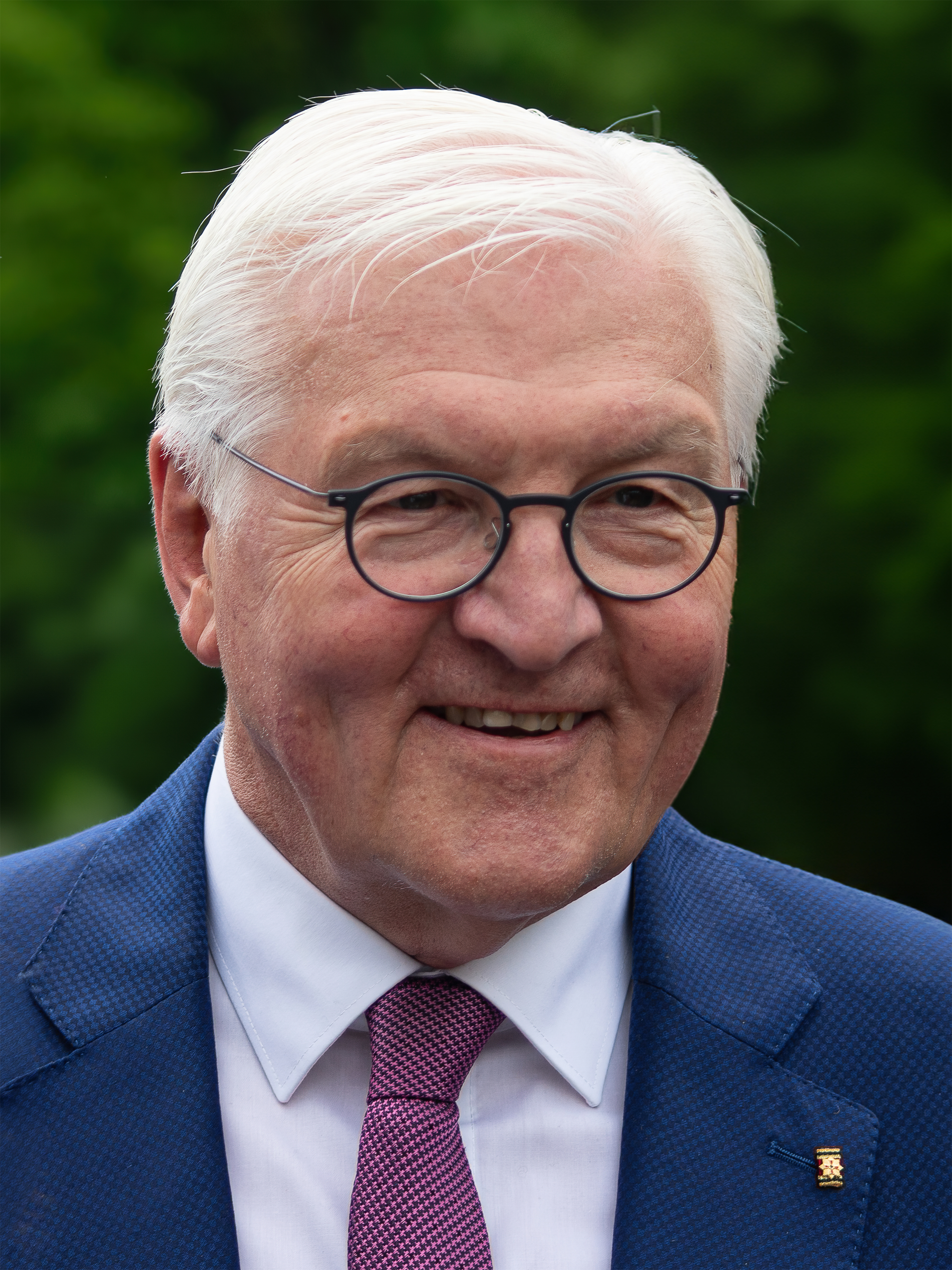
Frank Walter-Steinmeier
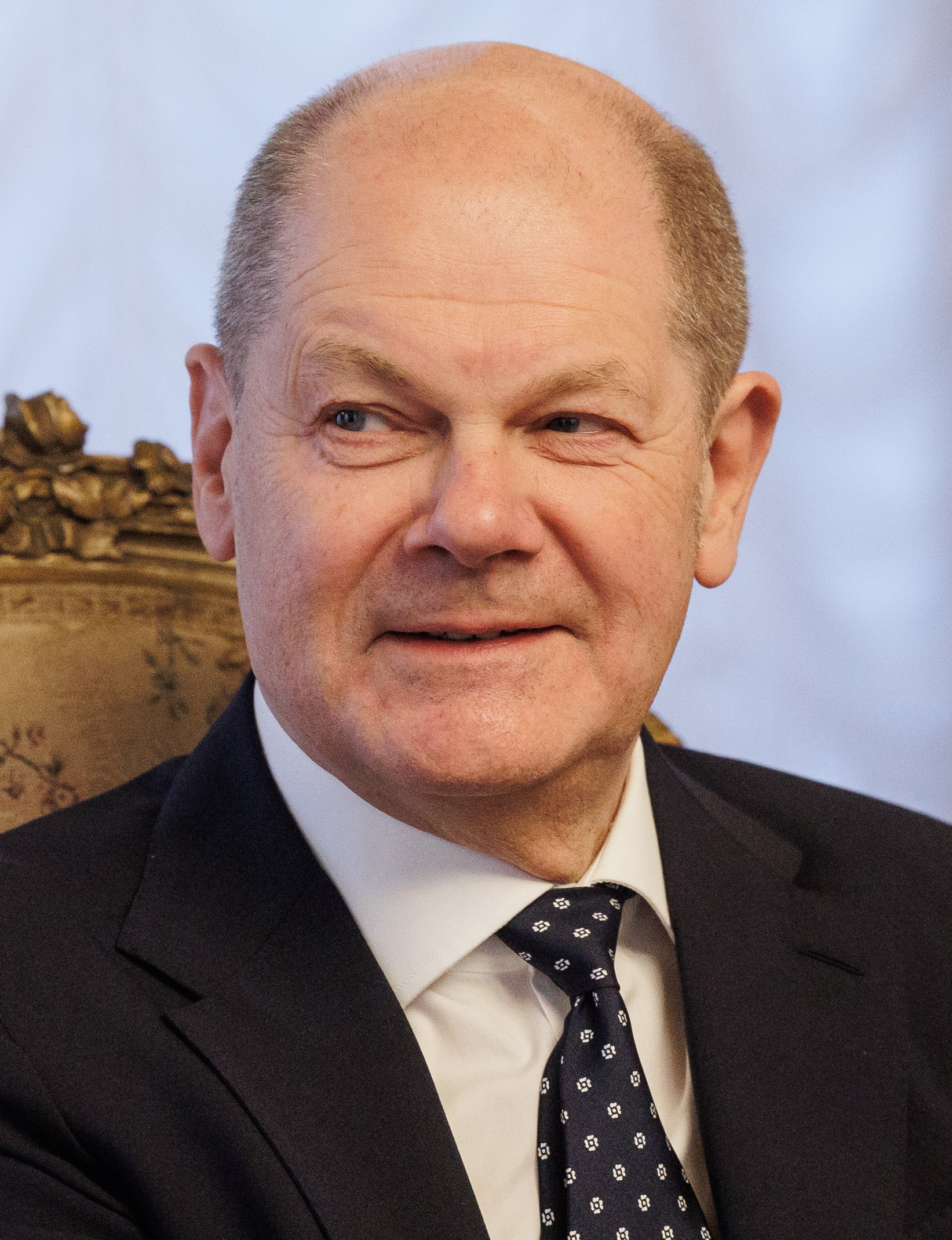
Olaf Scholz
Germany is a federation and comprises sixteen constituent states which are collectively referred to as Länder. Each state (Land) has its own constitution, and is largely autonomous in regard to its internal organisation. As of 2017 Germany is divided into 401 districts (Kreise) at a municipal level; these consist of 294 rural districts and 107 urban districts.
- by wikipedia
Football is the most popular sport in Germany with 57% of the population declaring interest in watching it. The German Football Association is the sport's national governing body, with 6.6 million members (roughly eight percent of the population) organized in over 31,000 football clubs. There is a league system, with the Bundesliga, 2. Bundesliga and 3. Liga on top. The winner of the Bundesliga is crowned the German football champion. Additionally, there are national cup competitions, most notably the DFB-Pokal (German Cup) and DFL-Supercup (German Supercup).
The Germany national football team has won four FIFA World Cups (1954, 1974, 1990, 2014), being the joint-second most successful nation in the tournament only surpassed by Brazil. It also holds three UEFA European Championships (1972, 1980, 1996), behind only Spain, and won the FIFA Confederations Cup in 2017.
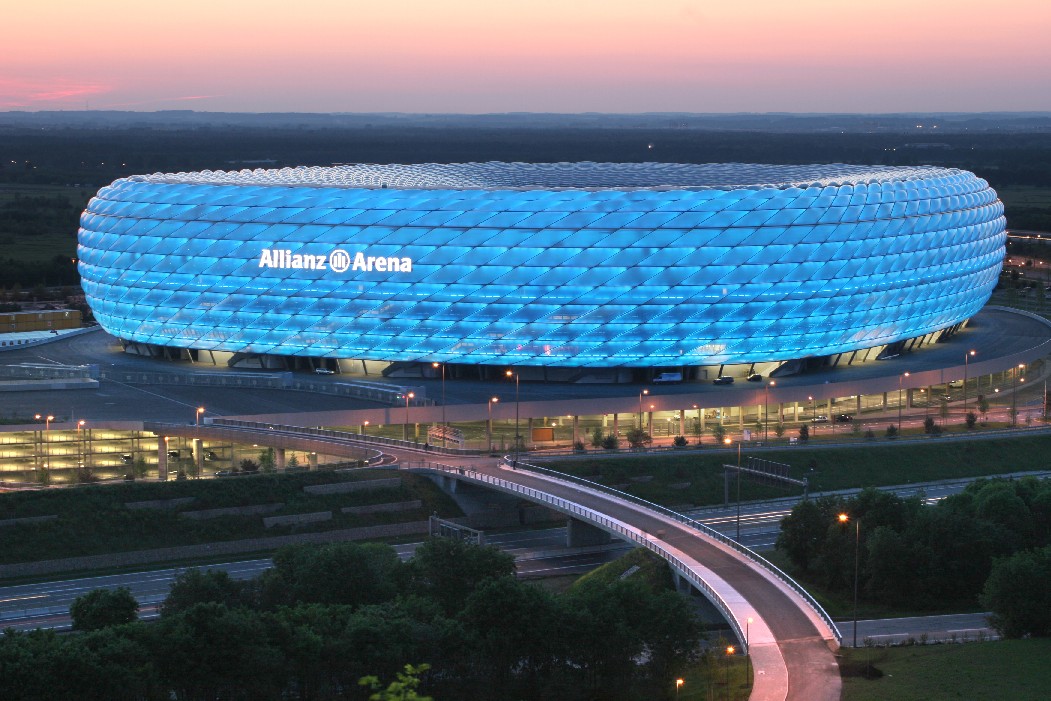
Fifty-seven clubs have competed in the Bundesliga since its founding. Bayern Munich has won 32 of 61 titles, as well as eleven consecutive seasons between 2013 and 2023, which is a record for a Big Five league. The Bundesliga has also seen other champions, with Borussia Dortmund, Hamburger SV, Werder Bremen, Borussia Mönchengladbach, and VfB Stuttgart most prominent among them.
The Bundesliga was founded in 1962 in Dortmund and the first season started in 1963-64. The structure and organisation of the Bundesliga, along with Germany's other football leagues, have undergone frequent changes. The Bundesliga was founded by the Deutscher Fußball-Bund (English: German Football Association), but is now operated by the Deutsche Fußball Liga (English: German Football League).
- by wikipedia
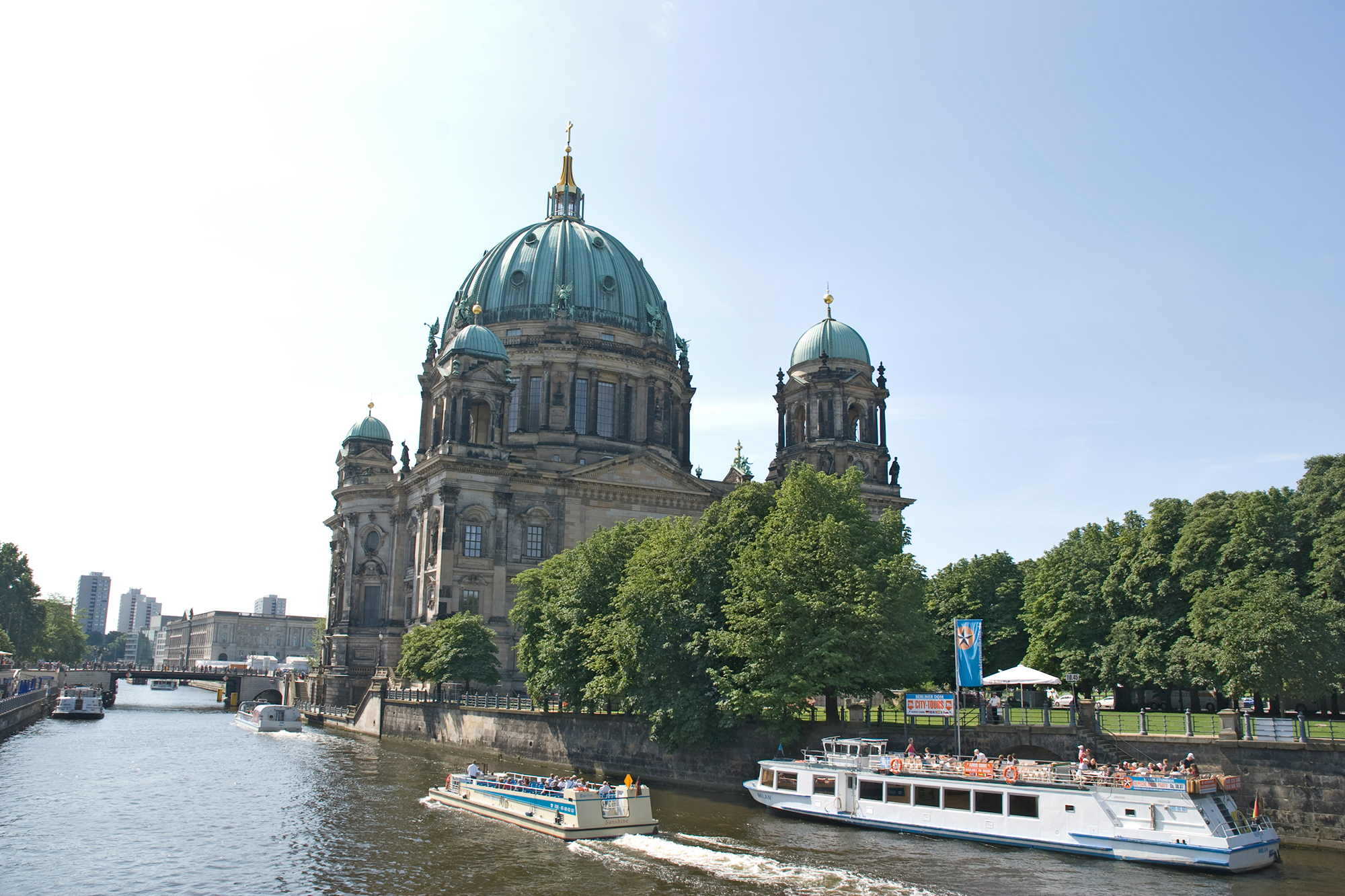
View from Berlin Bridge
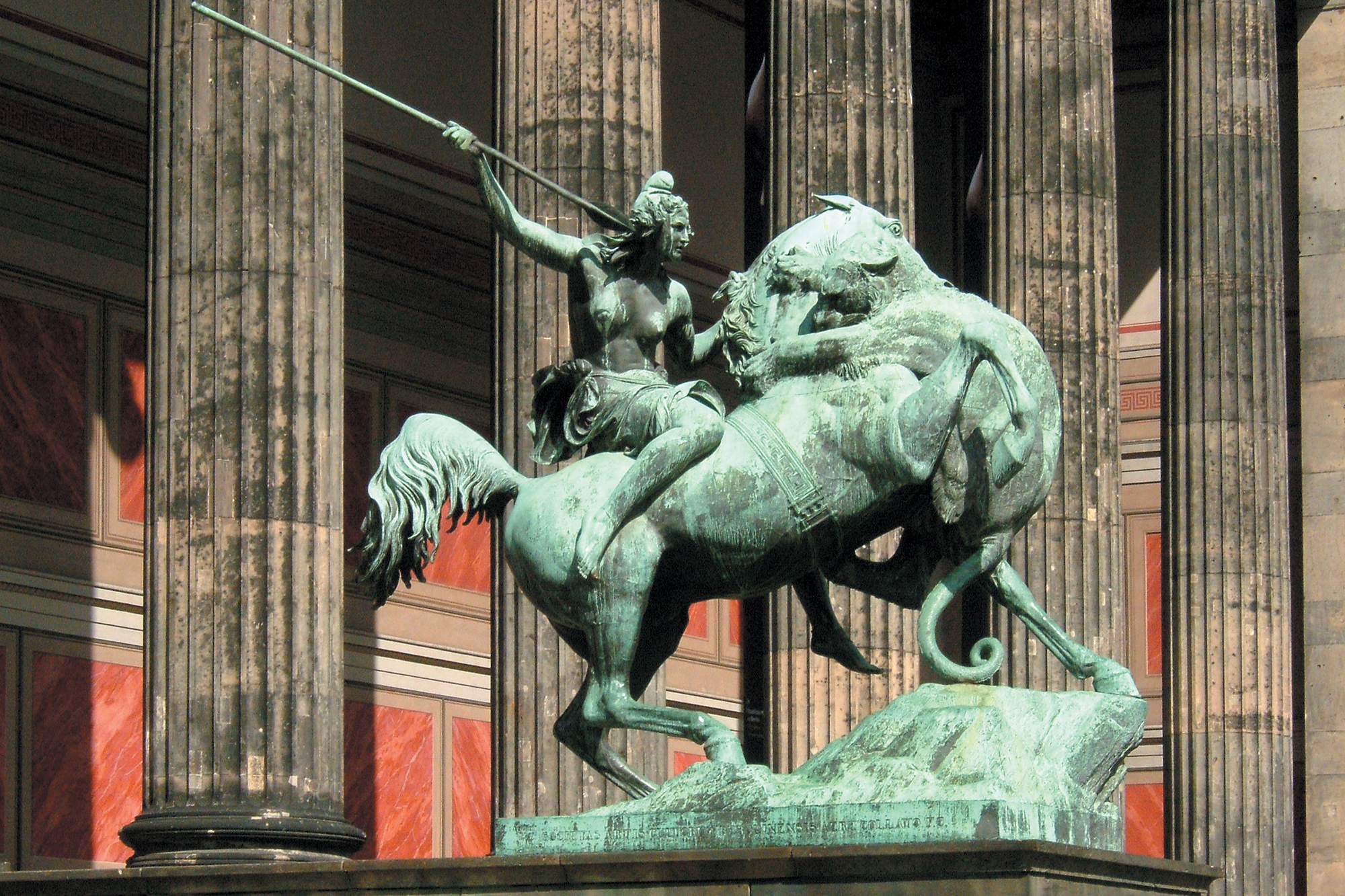
Amazone am Alten Museum in Berlin
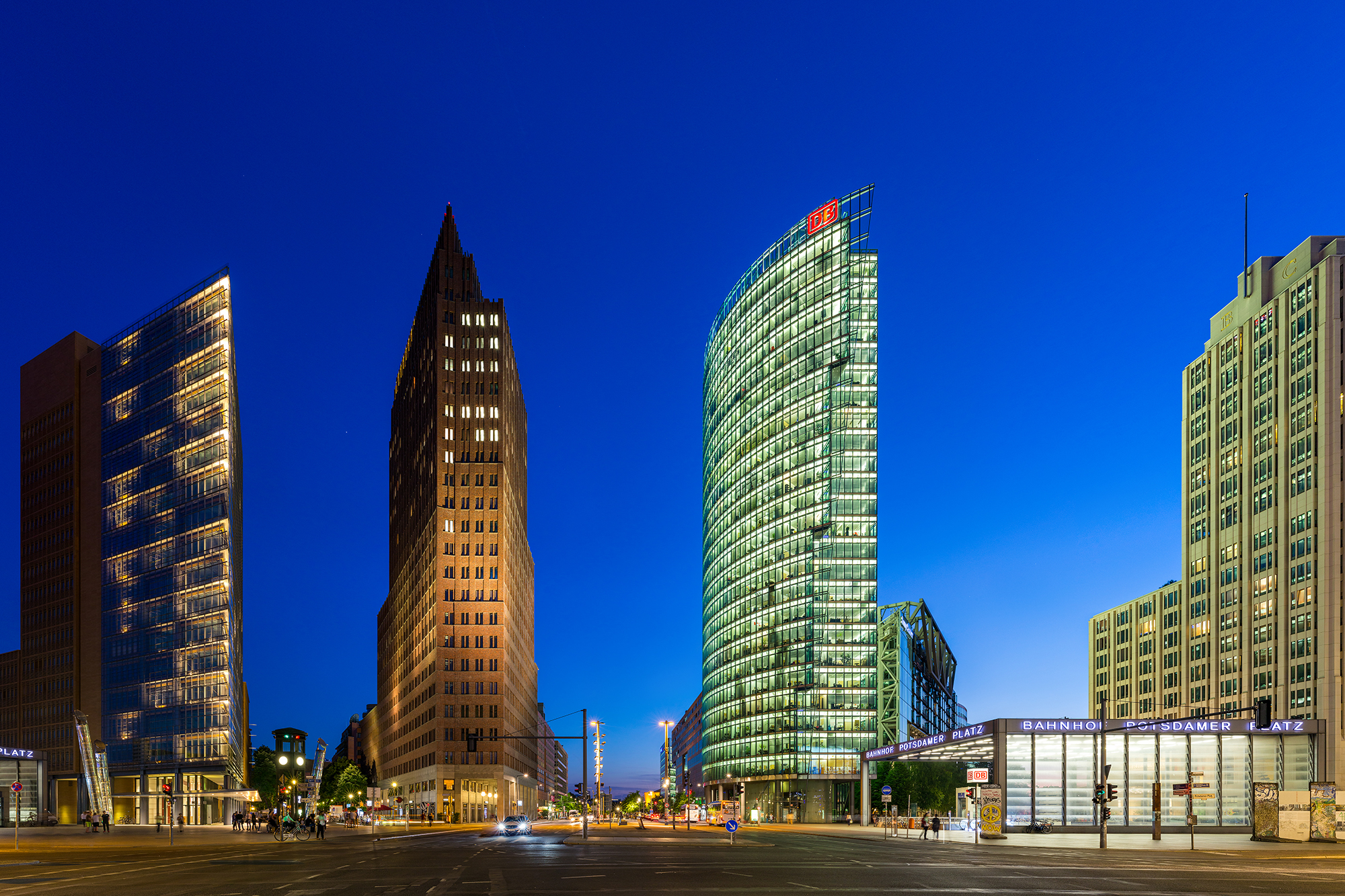
Berlin Potsdamer
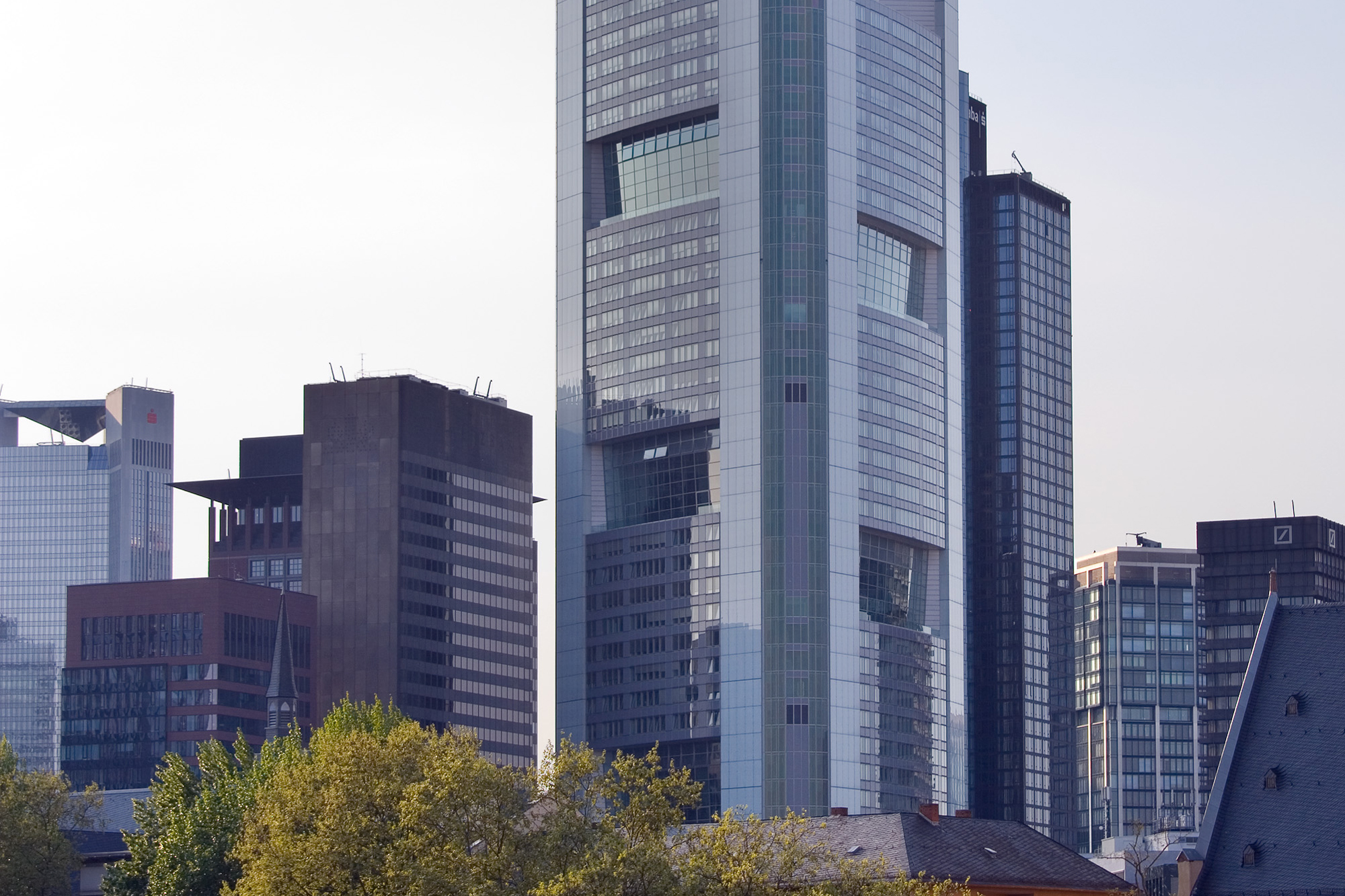
Frankfurt Commerzbank
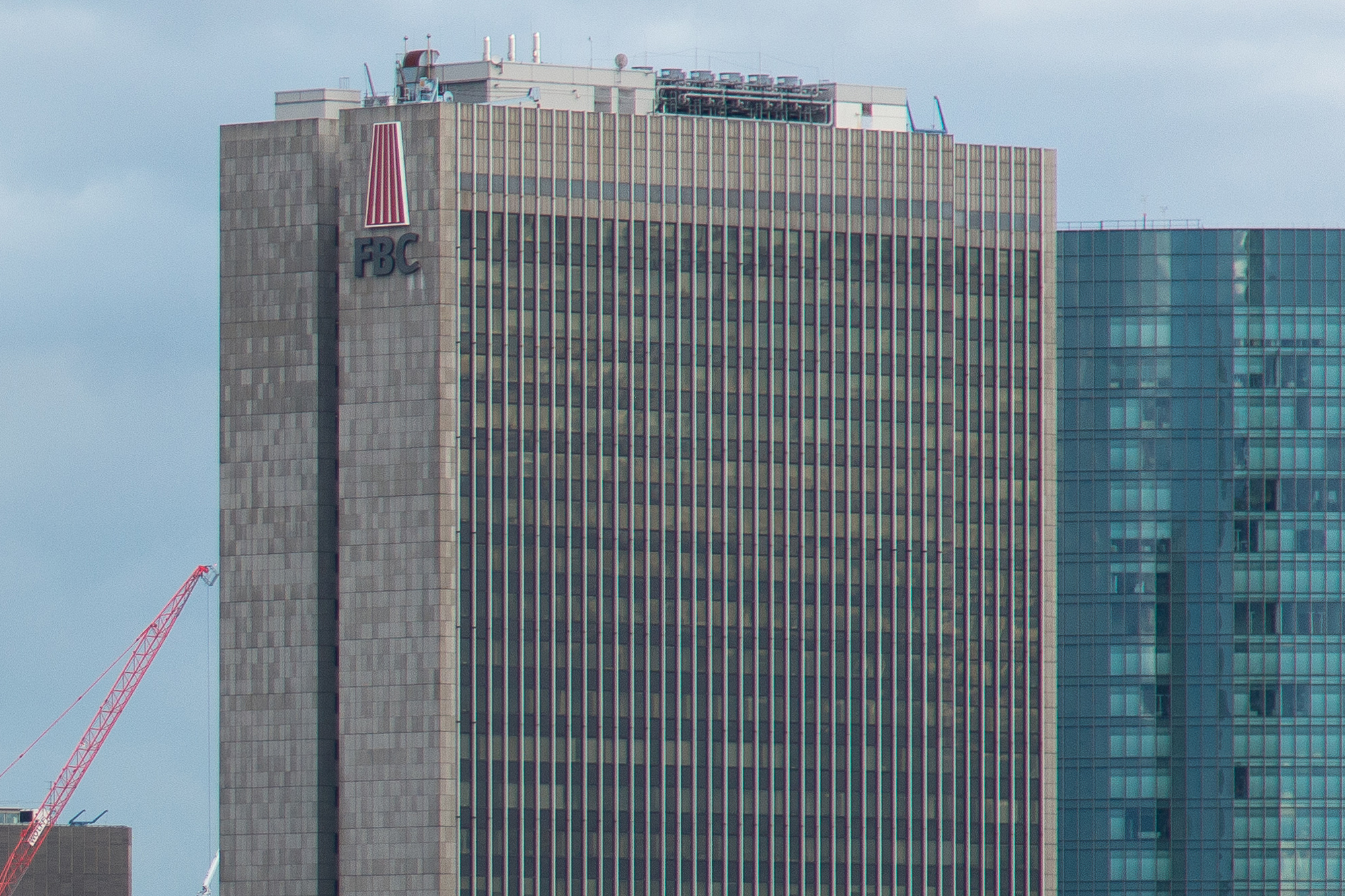
Frankfurt FBC
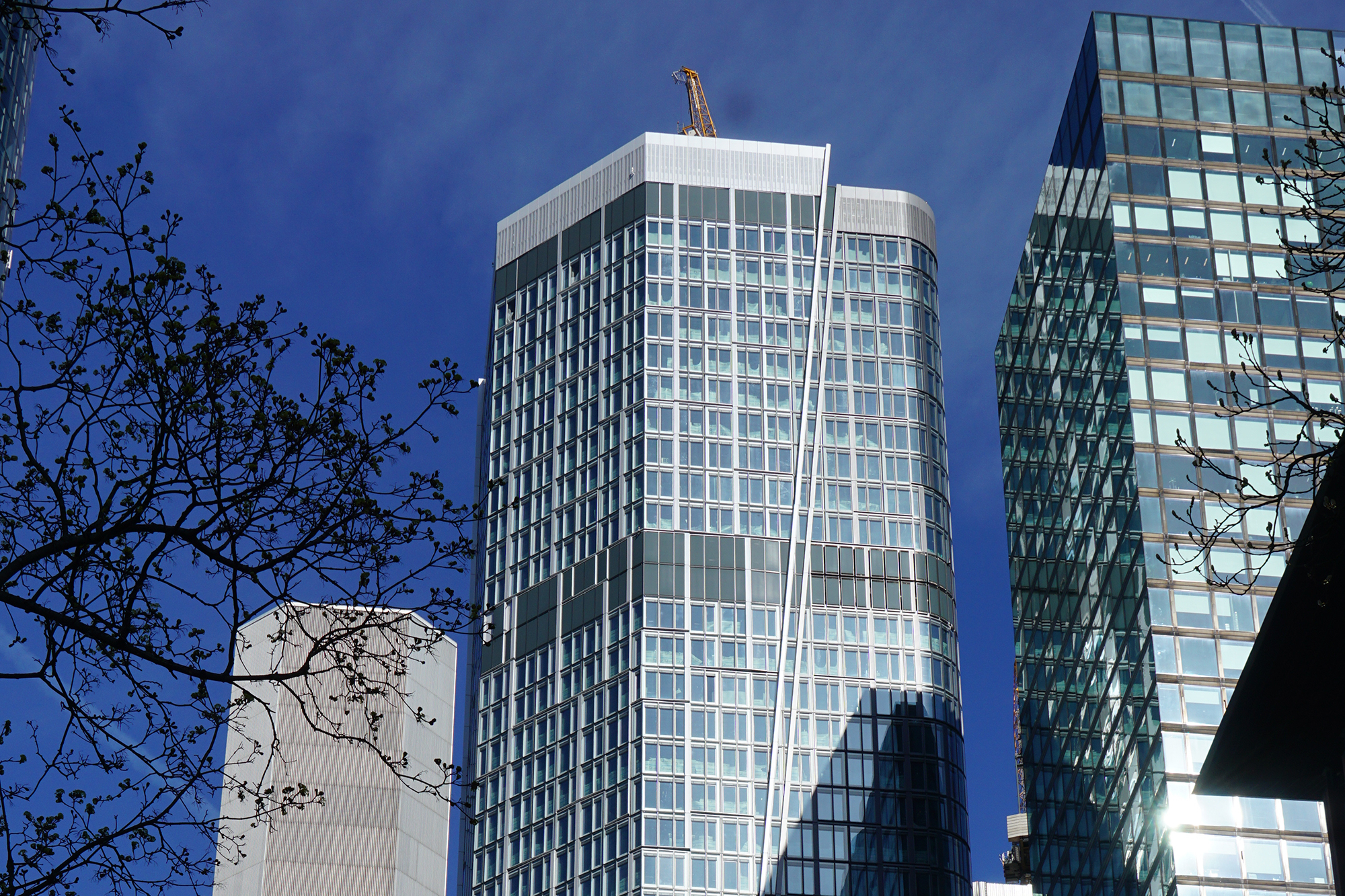
Frankfurt Four I
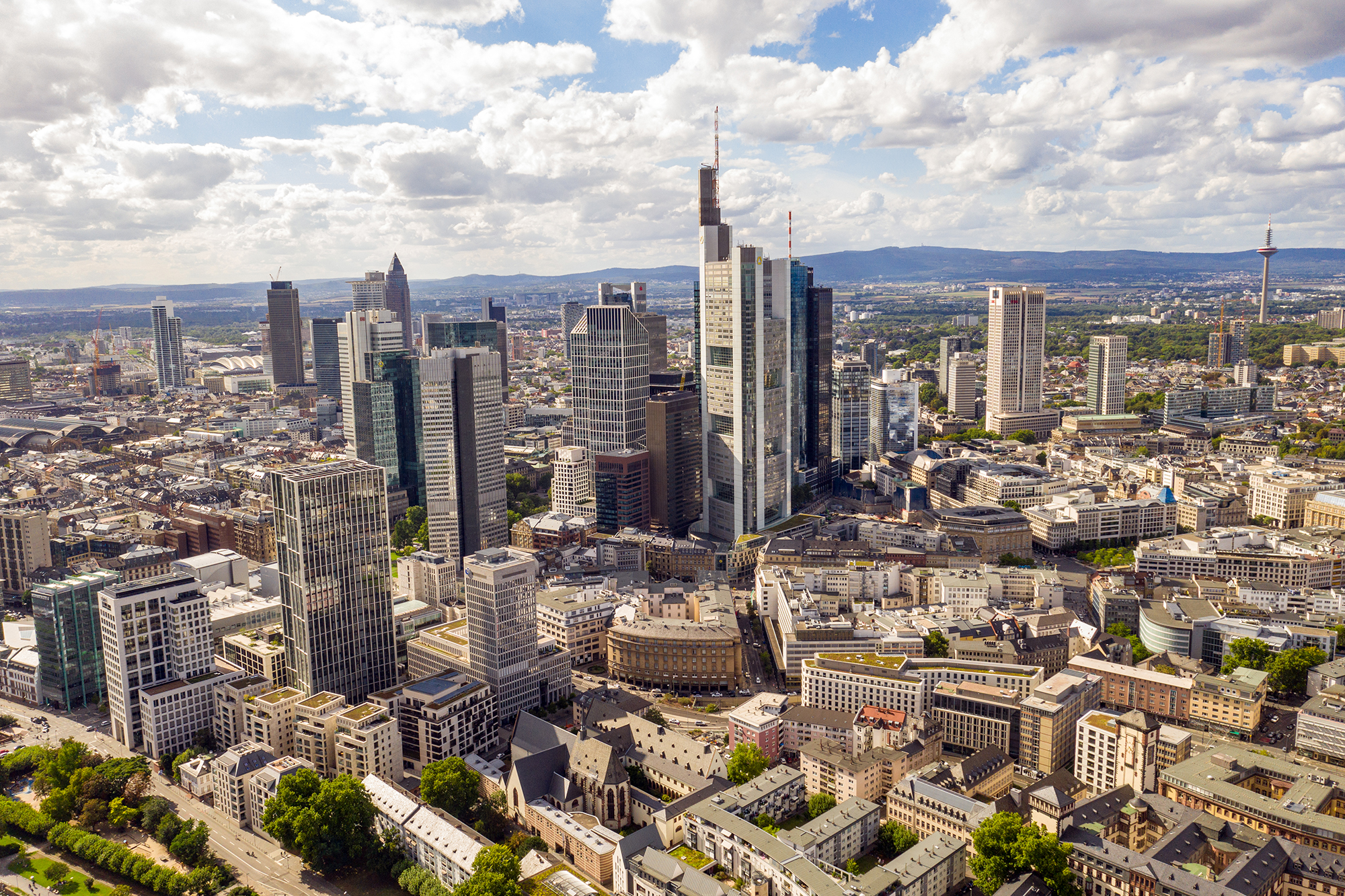
Frankfurt am Main
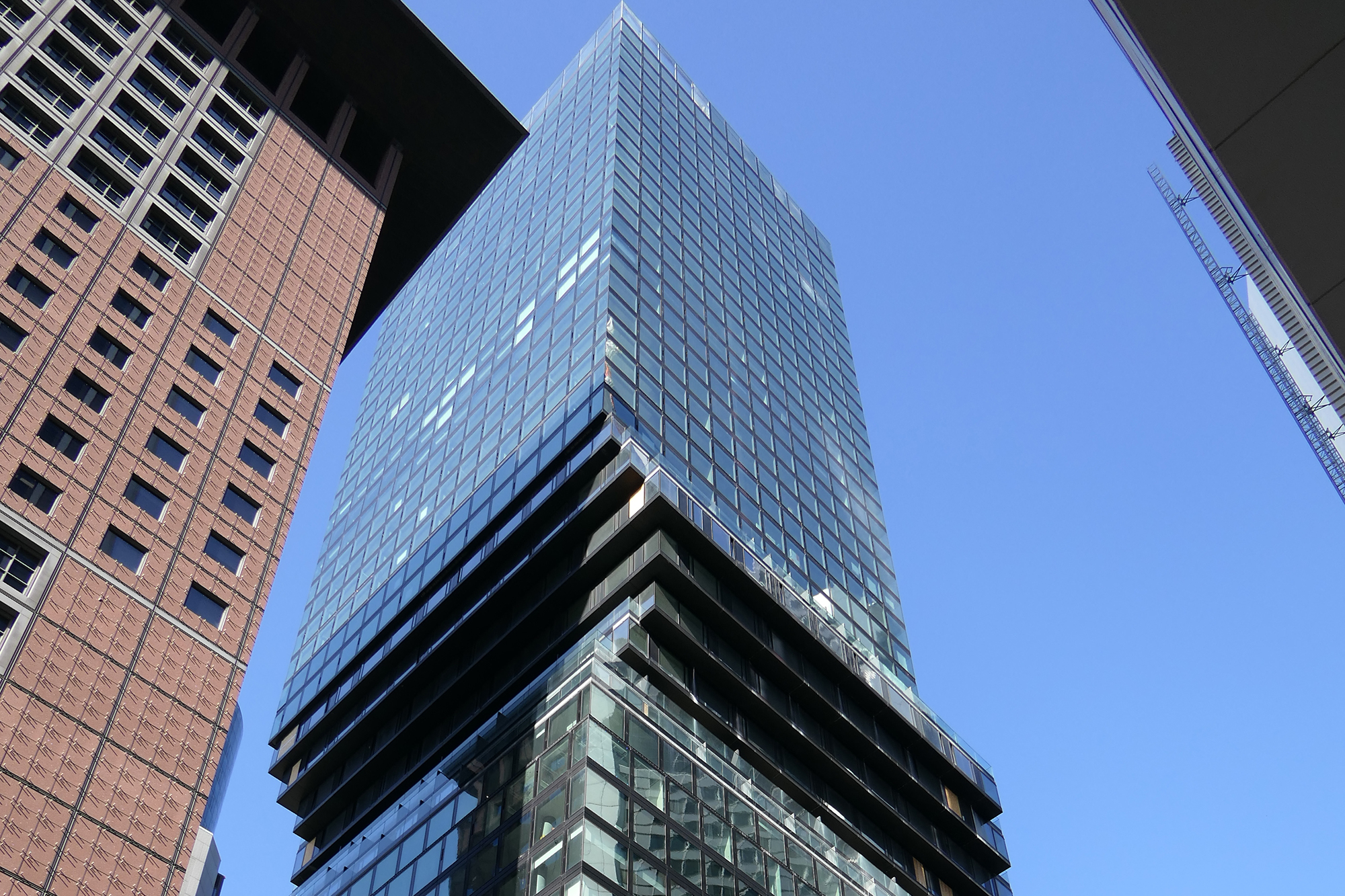
Frankfurt Omniturm
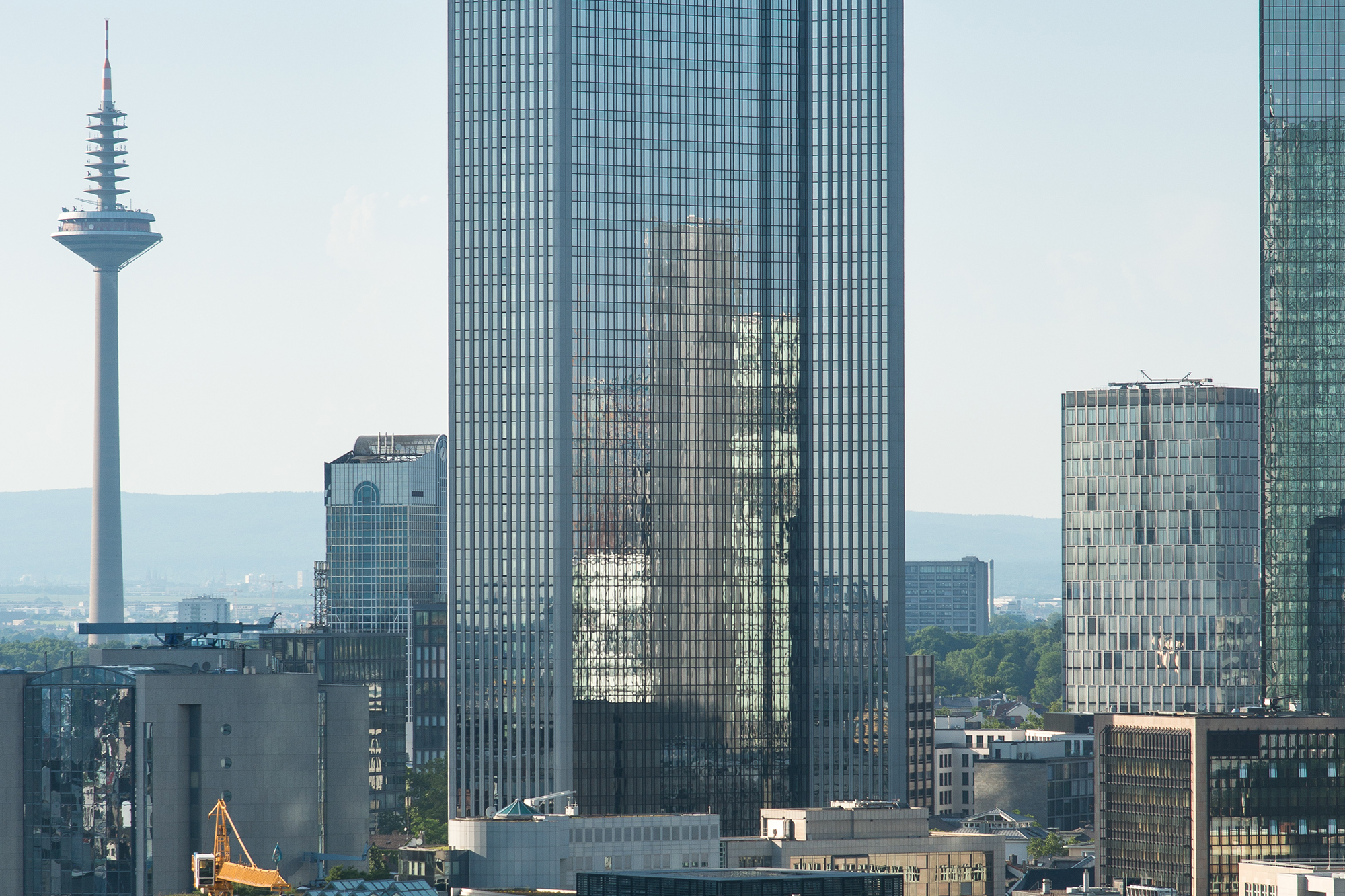
Frankfurt Trianon Sud
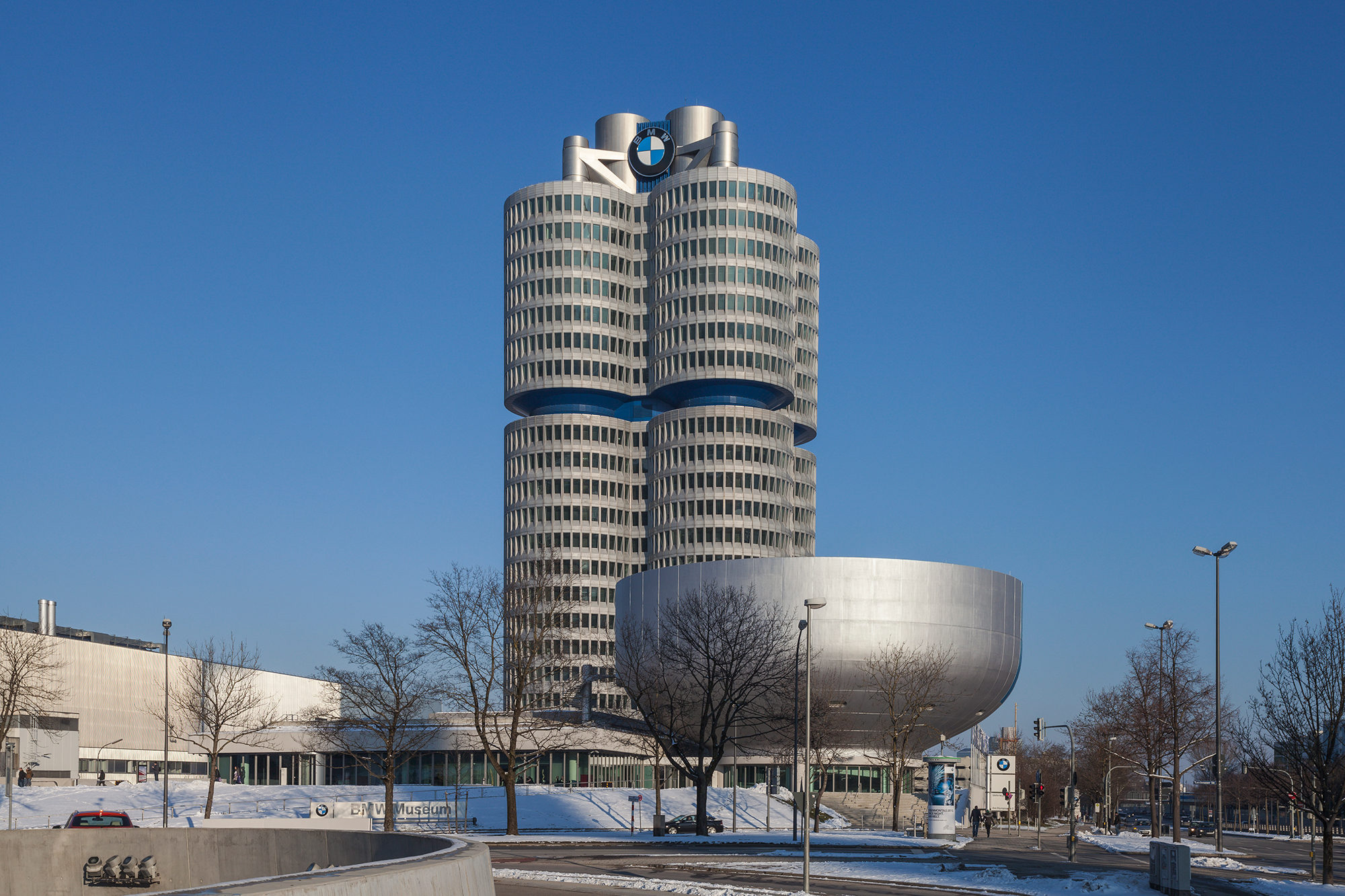
BMW Museum in Munchen
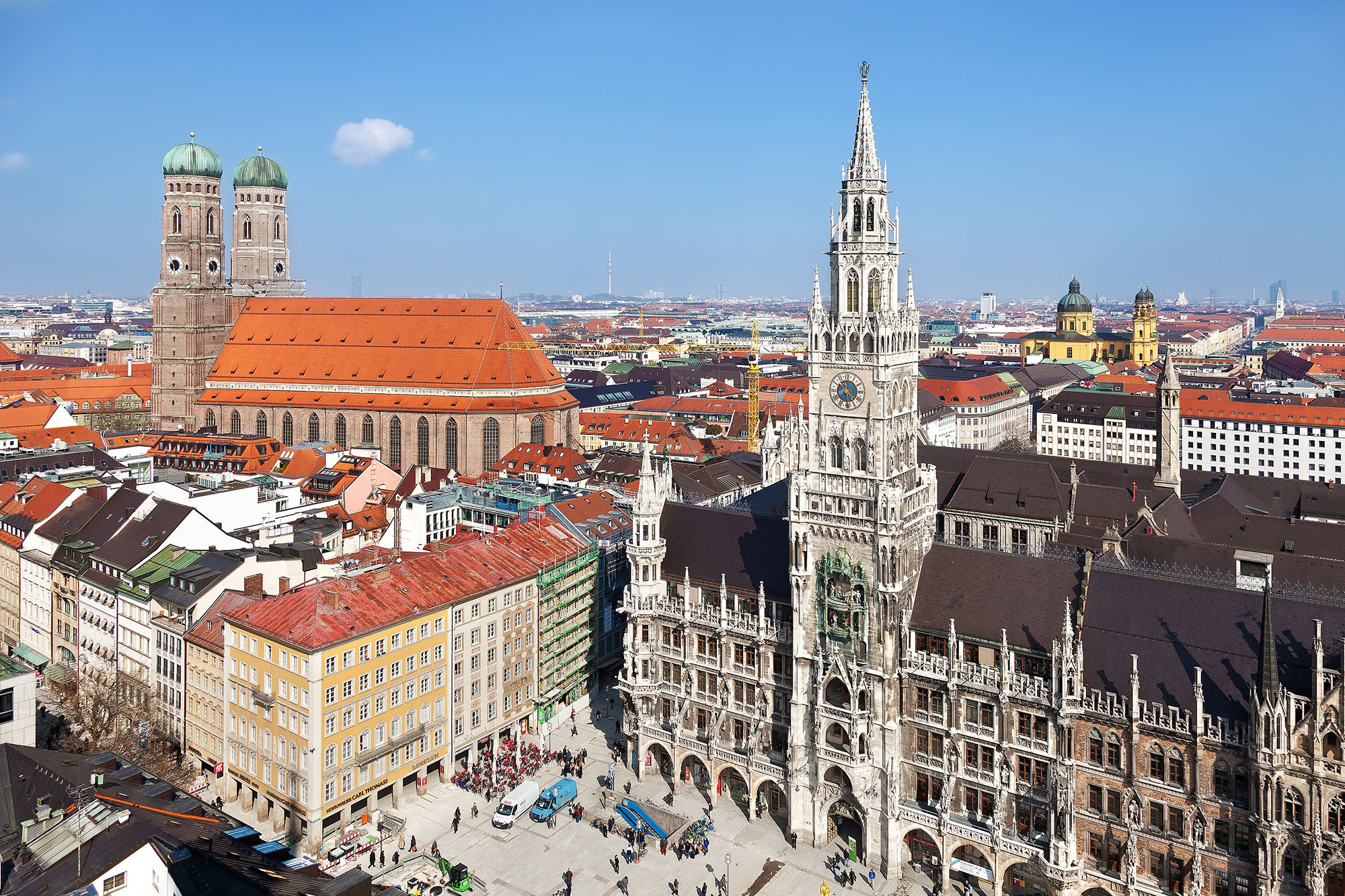
Munchen MarienPlatz
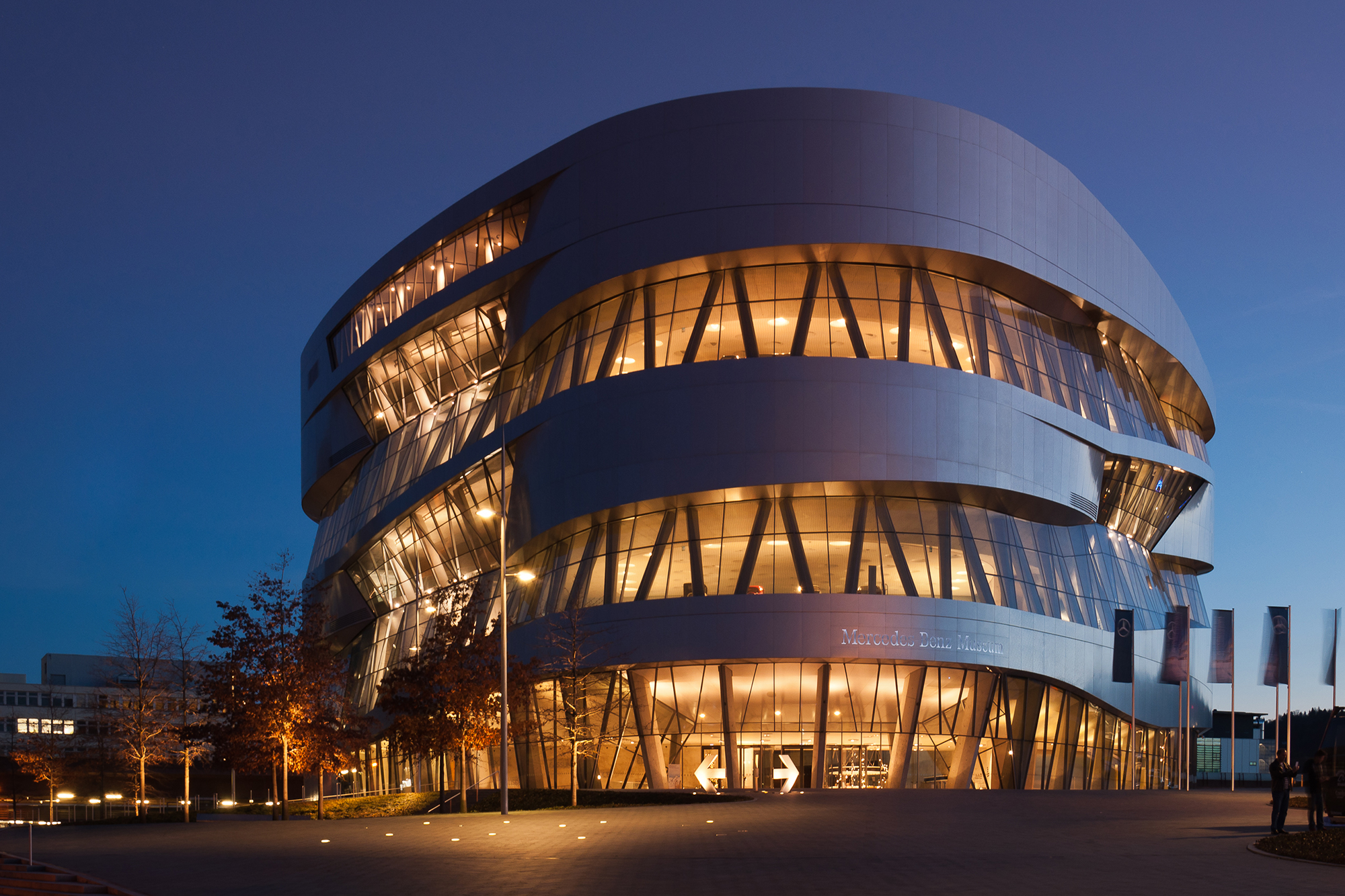
Mercedes-Benz Museum in Stuttgart
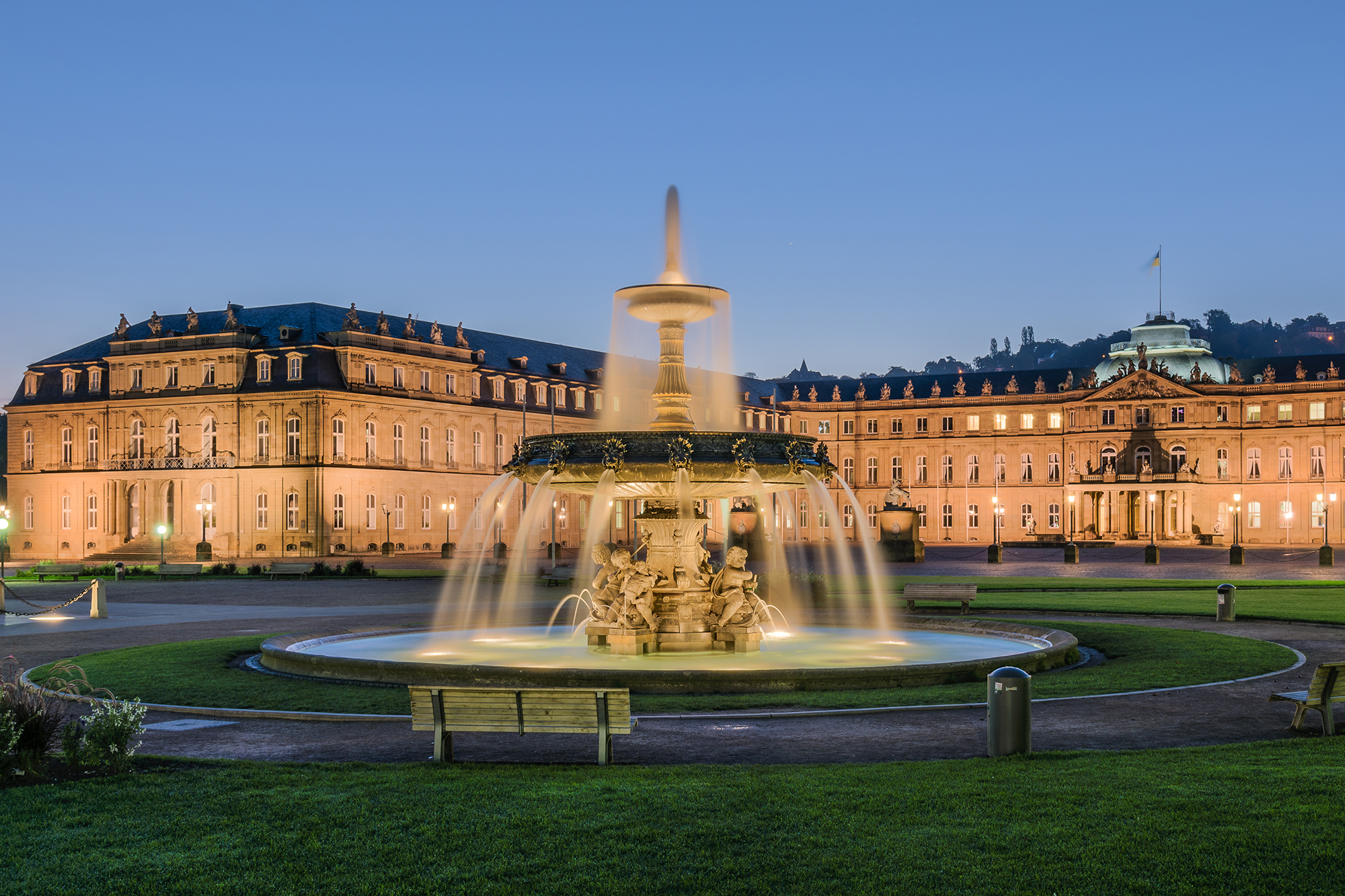
Stuttgart Schlossplatzspringbrunnen
View from Berlin Bridge
Amazone am Alten Museum in Berlin
Berlin Potsdamer Platz
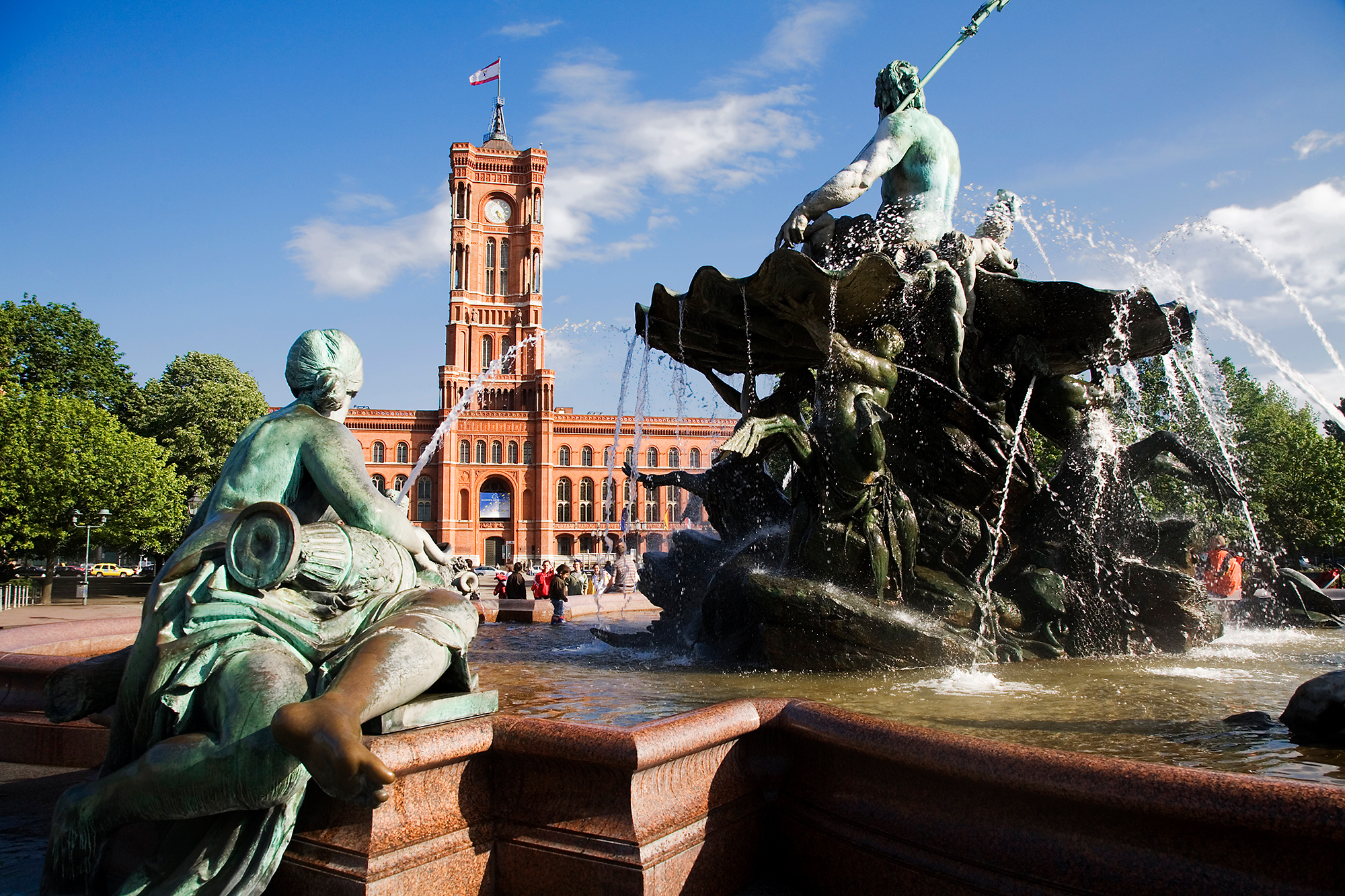
Berlin Rotes Rathaus
Frankfurt Commerzbank
Frankfurt FBC
Frankfurt Four I
Frankfurt am Main
Frankfurt Omniturm
Frankfurt Trianon Sud
BMW Museum in Munchen
Munchen Marienplatz
Mercedes-Benz Museum in Stuttgart
Stuttgart Schlossplatzspringbrunnen
Most of Germany has a temperate climate, ranging from oceanic in the north and west to continental in the east and southeast. Winters range from the cold in the Southern Alps to cool and are generally overcast with limited precipitation, while summers can vary from hot and dry to cool and rainy. The northern regions have prevailing westerly winds that bring in moist air from the North Sea, moderating the temperature and increasing precipitation. Conversely, the southeast regions have more extreme temperatures.

From February 2019 - 2020, average monthly temperatures in Germany ranged from a low of 3.3 °C (37.9 °F) in January 2020 to a high of 19.8 °C (67.6 °F) in June 2019. Average monthly precipitation ranged from 30 litres per square metre in February and April 2019 to 125 litres per square metre in February 2020. Average monthly hours of sunshine ranged from 45 in November 2019 to 300 in June 2019

Copyright © 2024 | Marius Ionescu